
A bombshell investigation has raised serious questions about how a man allegedly posing as one of Uganda's most influential security figures was able to operate at the heart of the country's power structures while allegedly intimidating, blackmailing and extorting senior government officials.
According to an investigation published by The Independent, Stephen Nuwagaba built an elaborate public image as a brigadier general in the Uganda People's Defence Forces (UPDF) and Senior Presidential Adviser on Intelligence and Security despite questions surrounding his credentials.
The publication reports that Nuwagaba claimed he had undergone military training with the Israeli Defence Forces (IDF), served in Israel's army for two years and spent a decade working for the Israeli intelligence agency Mossad. He also allegedly claimed to hold a master's degree in security studies from King's College London.
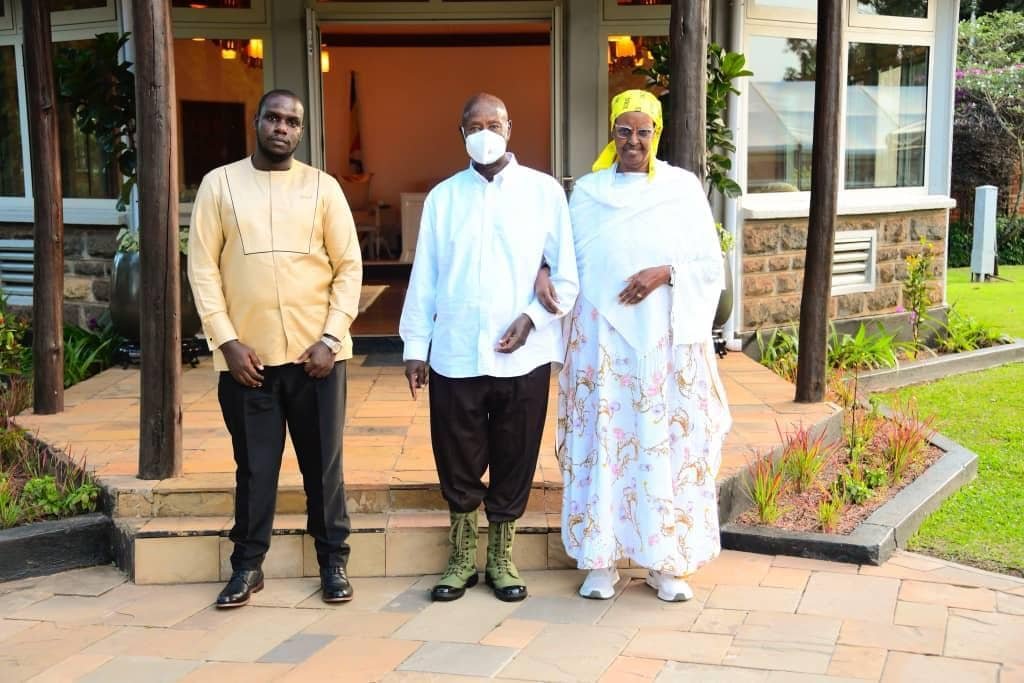
To reinforce that image, the investigation says he travelled in luxury vehicles fitted with State House registration plates or concealed number plates, moved with armed Special Forces Command (SFC) escorts and resided at Nakasero State Lodge. He also reportedly displayed photographs of himself with President Yoweri Museveni, First Lady Janet Museveni and First Daughter Natasha Museveni Karugire, creating the impression that he enjoyed direct access to the country's top leadership.
According to the report, that perceived proximity to State House became the foundation of an alleged extortion racket targeting senior public officials, particularly within Uganda's security services.
Officials interviewed by The Independent alleged that Nuwagaba frequently claimed he could influence promotions, dismissals and criminal investigations because of his relationship with President Museveni. Those who refused to cooperate, the report alleges, often found themselves the subject of adverse intelligence reports submitted to the President.
One of the most detailed allegations concerns Assistant Inspector General of Police Frank Mwesigwa, Director of Operations at Uganda Police.
According to the investigation, Nuwagaba secured a meeting with Mwesigwa at Police Headquarters in Naguru on January 3, where he allegedly claimed to possess intelligence accusing the senior police commander of receiving money from the Government of Rwanda and purchasing disputed land.
The publication alleges Nuwagaba told Mwesigwa he was preparing a report for President Museveni but offered to alter its contents if he was paid Shs300 million.
The report says Mwesigwa rejected the demand and ordered him out of his office.
According to The Independent, Nuwagaba subsequently sent threatening messages warning that the police commander's days in office were numbered.
The investigation further alleges that shortly afterwards Cynthia Kalanzi, a woman who had sold land to Mwesigwa in Kiruhura District, was arrested by the State House Anti-Corruption Unit and detained for several days over a land dispute already before the civil courts. The publication cites sources who believe the arrest was intended to intimidate both Kalanzi and Mwesigwa, although no official findings have substantiated that allegation.
Perhaps the most explosive claims in the investigation concern the alleged fabrication of intelligence evidence.
State House sources quoted by the publication claim Nuwagaba created fake WhatsApp conversations by installing the messaging application on two separate phones, using profile photographs of targeted officials and then generating conversations between the fabricated accounts himself.
According to the report, these forged chats were later presented as evidence of secret communications between government officials before being incorporated into intelligence reports submitted to the President.
The publication alleges that several senior officials became victims of these purported fabrications, including former Presidential Aide-de-Camp Lt Col Naboth Katezi, State House officials Susan Kasingye and Lt Col Betty Agaba, Chief of Defence Intelligence and Security Maj Gen Richard Otto, Internal Security Organisation Director General Maj Arthur Mugyenyi and Fourth Infantry Division Commander Maj Gen Keith Katungi.
The investigation also details an episode involving the Internal Security Organisation (ISO).
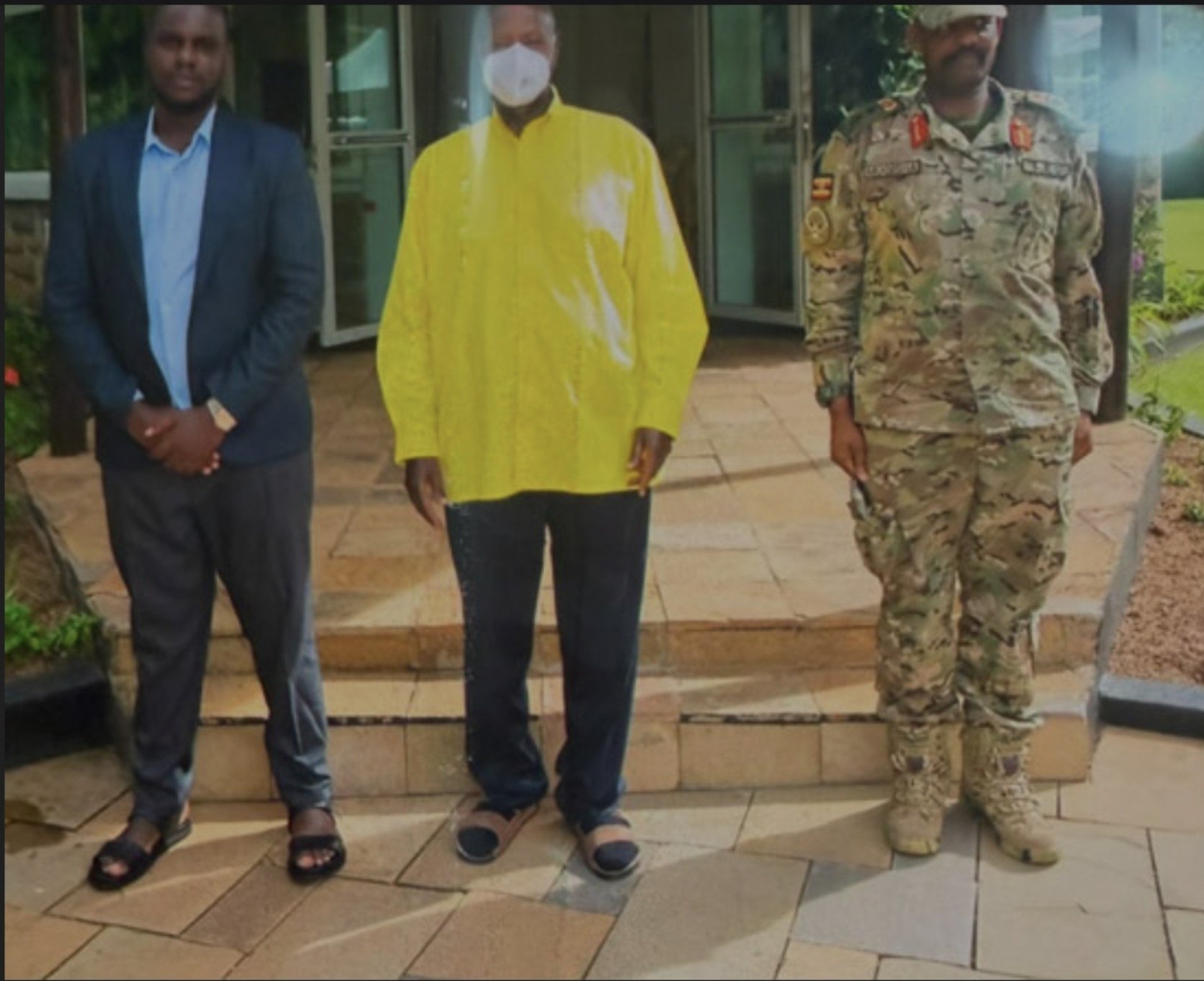
According to The Independent, Security Minister Maj Gen Jim Muhwezi referred Nuwagaba to ISO after he claimed he possessed sophisticated cyber-intelligence capabilities capable of intercepting encrypted communications on applications such as WhatsApp, Telegram and Signal.
The publication reports that ISO technical officers assessed his claims before giving him US$1,000 and several telephone numbers to demonstrate his alleged hacking abilities. Unknown to Nuwagaba, the numbers reportedly belonged to ISO officers participating in a controlled test.
According to the investigation, Nuwagaba accepted the money but never returned with the requested information, leading ISO officials to conclude that his claims lacked credibility.
The report goes on to allege that Ugandan intelligence authorities sought assistance from Israeli counterparts to verify Nuwagaba's claims of military and intelligence service.
According to The Independent, Ugandan officials shared his passports, photographs and personal details with Israeli authorities.
The investigation says Israeli records reportedly found no evidence that Nuwagaba had ever entered Israel, served in the IDF or worked for Mossad, effectively discrediting one of the central claims underpinning his alleged reputation.
The article further alleges that Nuwagaba portrayed himself as an intermediary between the Ugandan government and self-exiled author Kakwenza Rukirabashaija.
According to unnamed security sources quoted by the publication, he allegedly solicited money from senior officials while claiming it would be used to support Kakwenza in Germany and encourage his return to Uganda.
The same sources reportedly suspected Nuwagaba of leaking sensitive information from State House that later appeared in Kakwenza's writings, although no official findings confirming those allegations have been made public.
The investigation traces Nuwagaba's emergence into public attention back to 2023, when he publicly alleged that he had been tortured following disputes involving FUFA president Moses Magogo.
He later appeared in online discussions hosted by activists and journalists before allegedly attempting to use audio recordings to blackmail former Criminal Investigations Directorate spokesperson Charles Twine and seek money from other prominent figures, including Speaker Anita Among, according to the publication.
The report says some activists who initially engaged with him later distanced themselves after questioning the credibility of his accounts.
One of the more unusual episodes described in the investigation involves Gen Salim Saleh.
According to The Independent, Saleh reportedly recommended that Nuwagaba undergo psychiatric evaluation after listening to his claims, believing they reflected possible mental instability. Despite this, the publication says Nuwagaba later appeared to gain significant access to influential circles around the Presidency.
The investigation concludes that the affair exposes deeper vulnerabilities within Uganda's intelligence and security architecture.
It argues that reliance on informal intelligence channels and inadequate verification of sensitive information may have allowed individuals claiming privileged access to manipulate senior decision-makers, damage reputations and fuel mistrust within the country's security establishment.
The allegations contained in The Independent investigation have not been tested in court, and no official inquiry has publicly confirmed the claims. However, the report has intensified calls for a thorough investigation into how an individual allegedly amassed such influence while presenting himself as one of the President's closest security advisers.