
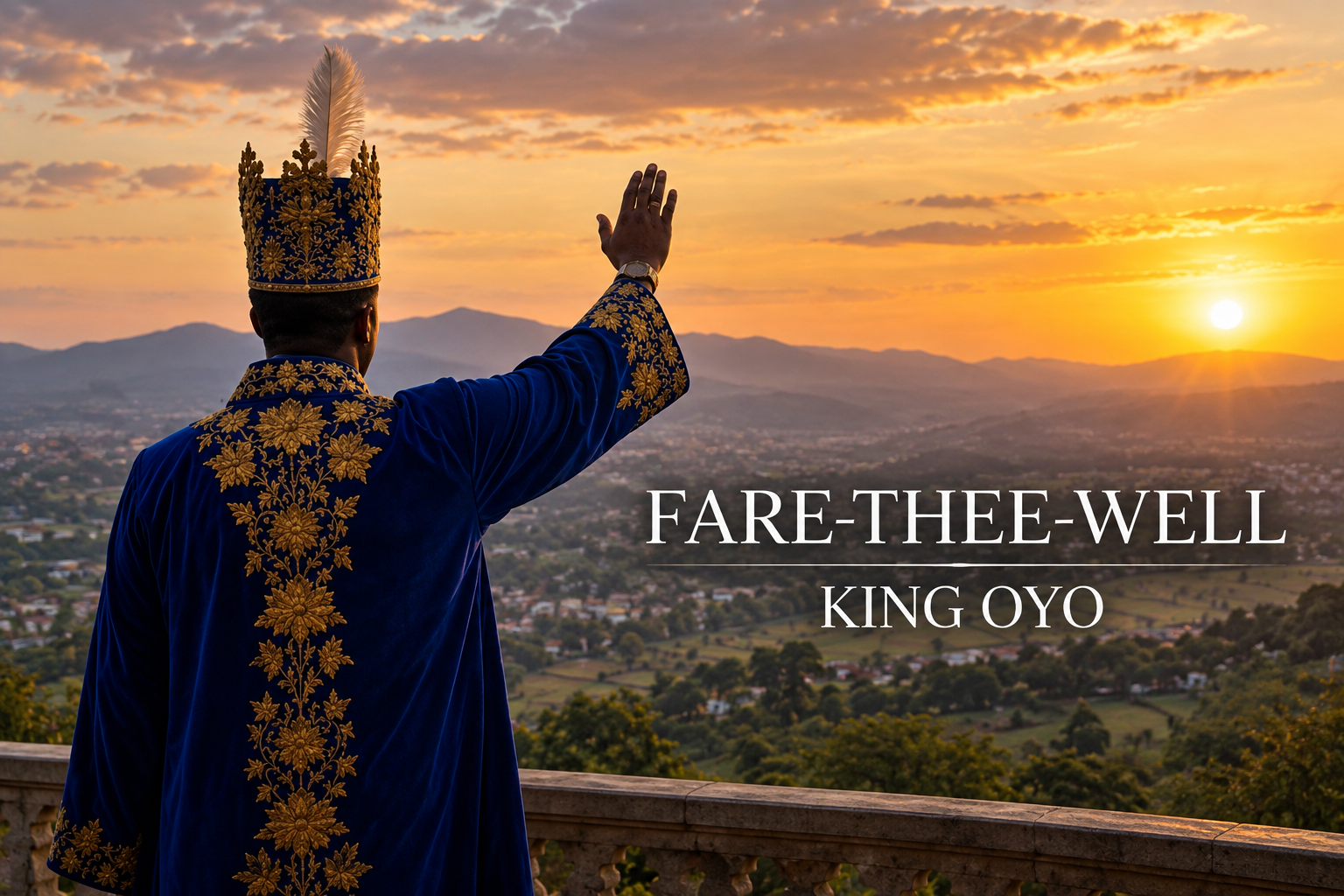
King Oyo Nyimba Kabamba Iguru Rukidi IV has finally been laid to rest at the Karambi Royal Tombs after an emotional funeral that brought together thousands of mourners, the royal family, cultural leaders and senior government officials.
The burial on Saturday, September 12, brought an end to nine days of mourning for the 34-year-old Tooro monarch, who died in the United States on August 27 after battling aggressive cancer.
But the final send-off was overshadowed by a bitter succession dispute that had threatened to complicate the traditional rituals required before the king could be buried.
The royal clan had selected Prince Edward Rukidi Kijanangoma as Oyo’s successor, while Queen Mother Best Kemigisa and Princess Ruth Komuntale challenged the decision, arguing that the late king had left instructions concerning a biological son as his heir.
The dispute triggered last-minute efforts involving the government, with President Yoweri Museveni pushing for a resolution that would allow the funeral to proceed.
By Saturday, the impasse had been overcome and the funeral went ahead, with the king’s body leaving Karuziika Palace before being taken to St John’s Cathedral for the final church service.
The service was led by Archbishop of the Church of Uganda Stephen Samuel Kaziimba Mugalu, while only four official speakers were permitted to deliver tributes — a move intended to keep the ceremony within the tight traditional schedule.
After the service, mourners accompanied the casket on a roughly six-kilometre procession towards Karambi, the sacred burial grounds where Tooro kings are laid to rest.
The final moments were conducted under tight security, with access to the inner royal tombs restricted to authorised custodians and members of the royal family. Security agencies had earlier announced screening points and traffic restrictions around the main funeral venues.
King Oyo was accorded an official burial, including a military gun salute, as Uganda paid its final respects to a monarch who captured the world’s attention after ascending the Tooro throne at just three years old in 1995.
His death brought to an end a reign spanning more than three decades and left Tooro facing one of its most consequential succession debates in recent history.
For many Batooro who lined the streets and filled Fort Portal during the funeral, however, Saturday was less about the political and royal dispute and more about saying goodbye to the young king they had watched grow from the world’s famous “boy king” into a prominent cultural figure.
With the burial now complete, attention turns to the future of the Tooro throne and whether the competing claims over Oyo’s succession will finally be settled.