
I have noticed a habit among Ugandans that worries me. Whenever security agencies arrest someone who is a musician, journalist, activist, businessman or, these days, a TikTok influencer, people immediately start making jokes. The argument is usually simple: “How can this person possibly be a spy? He is just an influencer.” I think that is a very dangerous way of looking at national security.
You can question an arrest. You can demand evidence. You can challenge the conduct of security agencies and insist that everyone is treated according to the law. I support all of that. But I am not going to declare someone innocent or accuse security agencies of madness simply because the person has a funny personality, a large social-media following or an ordinary public image. I want to know what the person is accused of doing first.
There is a reason intelligence services around the world spend so much time thinking about access, relationships and human sources. Espionage is not always about someone breaking into a military compound at midnight. A lot of intelligence work depends on people who can obtain information, build relationships and reach places that an obvious intelligence officer could never reach.
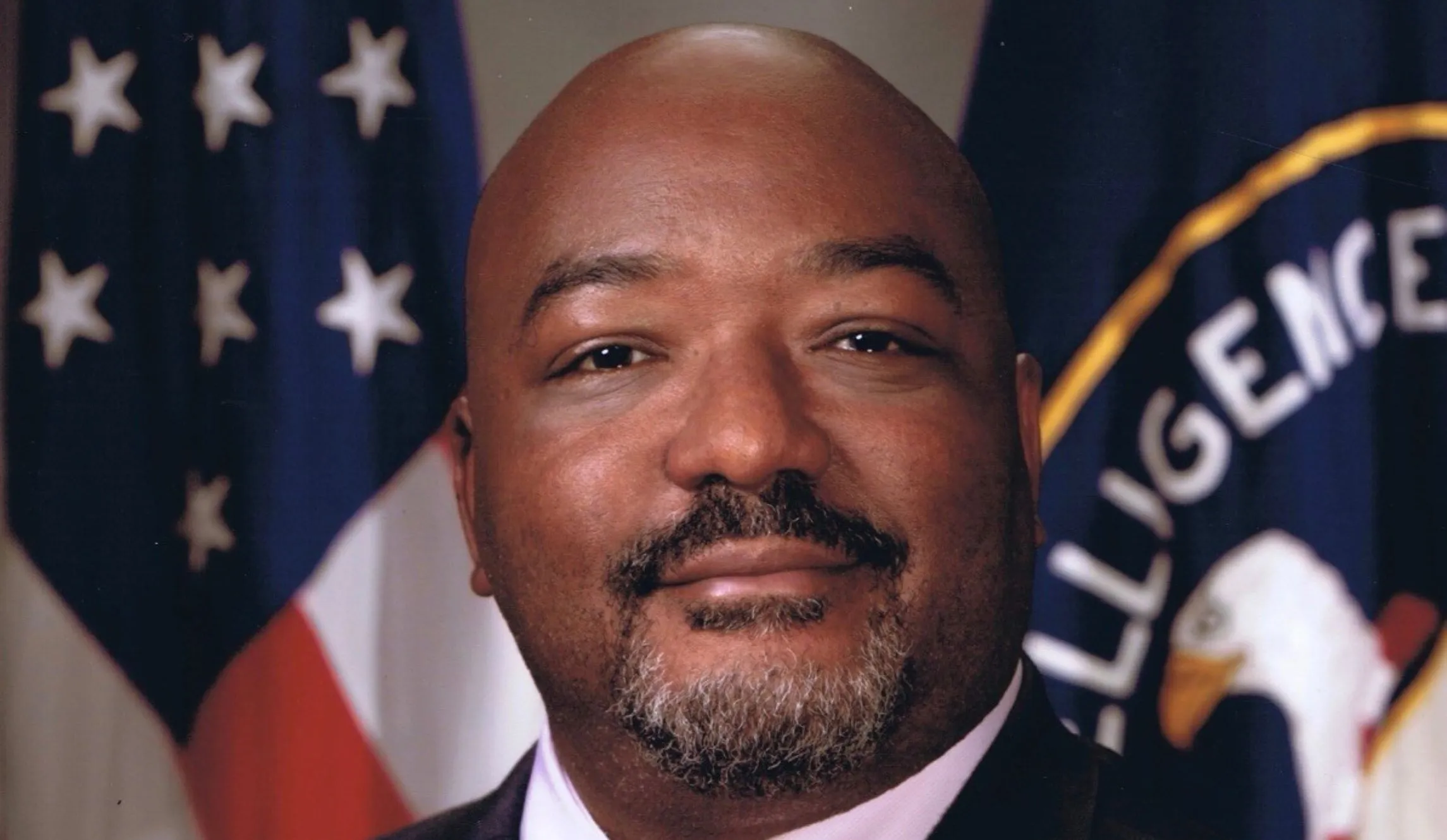
The story of former CIA officer Darryl Blocker is a useful example. Blocker spent 28 years in the CIA and said he spent much of his career in Africa. He worked under State Department cover, meaning that people around him generally understood him to be a U.S. diplomat rather than a CIA officer. He has explained publicly that his work involved identifying people who had access to information and recruiting them to provide that information.
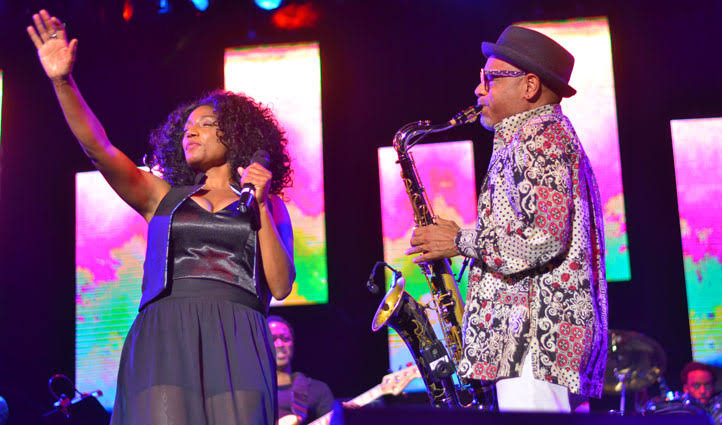
Blocker's connection to Uganda makes the story even more interesting. Accounts of his time in the country describe him becoming involved with the Kampala All Stars and performing with the Ugandan band. That is exactly the sort of thing that should make people think twice about the assumption that intelligence work always looks like intelligence work.
Imagine being an ordinary Ugandan who saw an American musician performing with a local band in Kampala. You would probably remember him as the friendly foreigner who liked music. If someone had told you that the man was actually a CIA officer operating under diplomatic cover, you might have laughed at them. The public image and the actual professional role would have appeared completely different.
That is the point I am making.
I am not saying that every musician is a spy, every journalist is an intelligence asset or every TikTok influencer is secretly working for a foreign government. That would be ridiculous. What I am saying is that you cannot determine someone's intelligence value simply by looking at their profession or public personality.
In fact, modern technology has made ordinary people more valuable in some ways. A journalist can develop relationships with politicians, soldiers and civil servants. A musician can travel extensively and enter social circles that government officials cannot easily enter. An influencer can reach hundreds of thousands of young Ugandans directly. A businessman can move between countries and build relationships with powerful people. These people may have completely legitimate reasons for doing what they do, but their access and networks can also have intelligence value.
That is why I believe Ugandan security agencies cannot afford to treat national security like a popularity contest. Their job is not to ask whether someone looks dangerous. Their job is to establish whether there is evidence of a threat, criminal activity, espionage or some other violation of the law.
And there is another uncomfortable reality that we should not pretend does not exist: people can sell information about their own countries. Money, influence, business opportunities, political protection and personal grievances have always been among the reasons people cooperate with foreign intelligence services. You do not necessarily need a suitcase full of cash. A regular payment and the right relationship can be enough.

So when I see a Ugandan security agency arrest someone, I am not going to immediately start shouting that the government has arrested “just a TikToker” or “just a musician.” I will first ask: What did they allegedly do? What evidence has been presented? What does the investigation show?
If the evidence is weak, then say so. If the arrest is unlawful, challenge it. If someone has been framed, expose it. If security officers have abused their powers, they should be held accountable. But those arguments should be based on facts, not on the assumption that someone could not possibly be involved in something serious because they appear ordinary.
Uganda sits in a region where security matters enormously. We are surrounded by countries that have experienced wars, insurgencies, political instability and armed conflicts. Uganda has a military presence in regional security operations, maintains important international relationships and occupies a strategically important position in East and Central Africa. It would be naïve to assume that foreign intelligence services have no interest in what happens here.
This is also why I understand why security operatives sometimes appear overly suspicious. Their job requires them to consider possibilities that the ordinary citizen does not have to consider. The public sees the TikTok videos. Security investigators may be looking at the phone contacts, money transfers, travel history, communications, meetings and relationships behind those videos.
That does not automatically make the investigators right. Security agencies can make mistakes. They can abuse their authority. They can arrest innocent people. That is precisely why evidence, the courts and due process matter.
But the opposite mistake is just as foolish: assuming that security agencies must be wrong because the suspect is popular or appears harmless.
The lesson from Blocker's story is not that every foreigner in Uganda should be treated as a spy. The lesson is much simpler: appearances tell you very little about intelligence work. A person can spend years building perfectly ordinary relationships while concealing the real purpose of their work. Blocker himself explained that the fewer people who knew he worked for the CIA, the easier it was for him to operate and gain trust.
So I will continue to question arrests when there is reason to question them, but I will not make noise simply because the person being arrested looks harmless.
When it comes to the sovereignty and security of Uganda, I would rather wait for the facts than become part of the defence campaign for someone whose activities I know absolutely nothing about.
Not every arrest is justified. Not every suspect is guilty. But not every suspect is harmless either.
That distinction is important.