
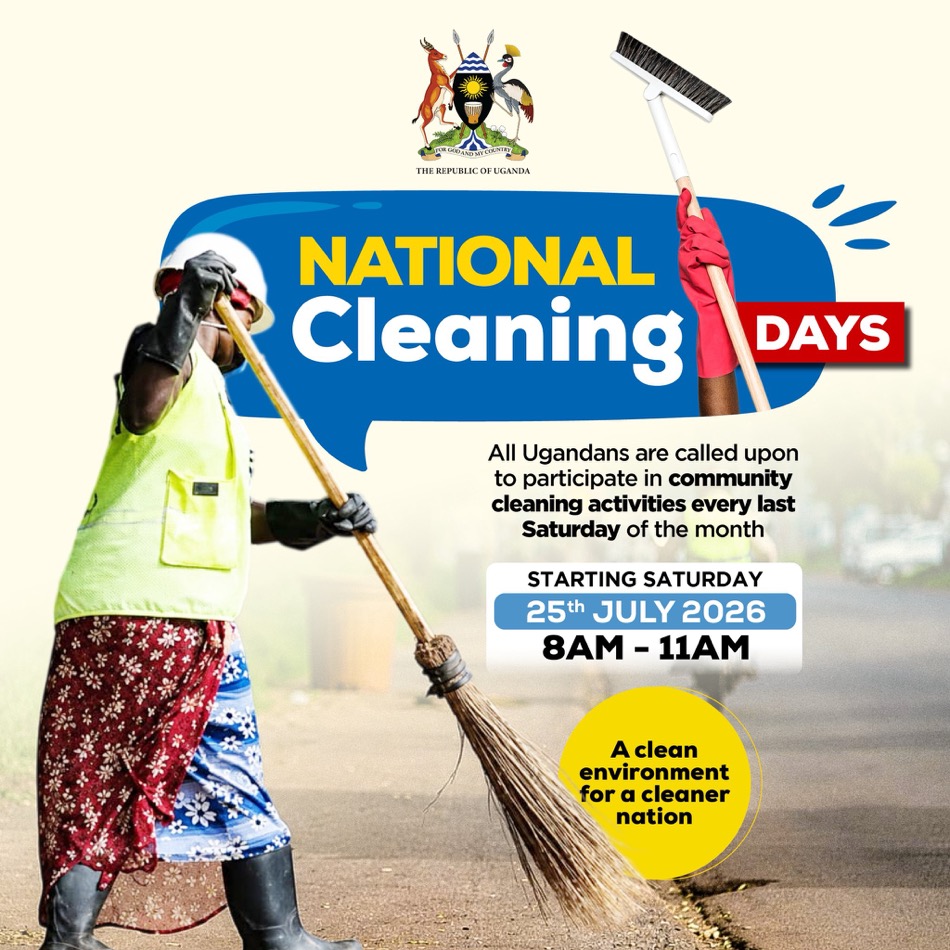
The Government of Uganda has officially launched the National Cleaning Days Initiative, introducing a nationwide monthly sanitation exercise aimed at improving hygiene, reducing disease outbreaks, and promoting environmental cleanliness across the country.
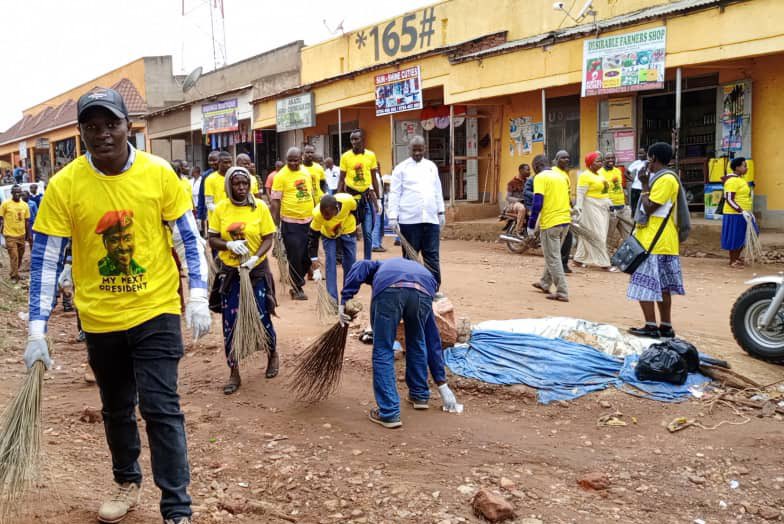
Under the new programme, the last Saturday of every month has been designated as National Cleaning Day, with communities expected to dedicate time between 8:00 a.m. and 11:00 a.m. to cleaning neighbourhoods, markets, drainage channels, public spaces, schools, and workplaces. The first nationwide exercise is scheduled for July 25, 2026.
The initiative is coordinated by the Office of the Prime Minister, with support from the Ministry of Health, the National Environment Management Authority (NEMA), local governments, Kampala Capital City Authority (KCCA), and other government agencies. Officials say the programme seeks to institutionalise environmental sanitation rather than relying on occasional clean-up campaigns.
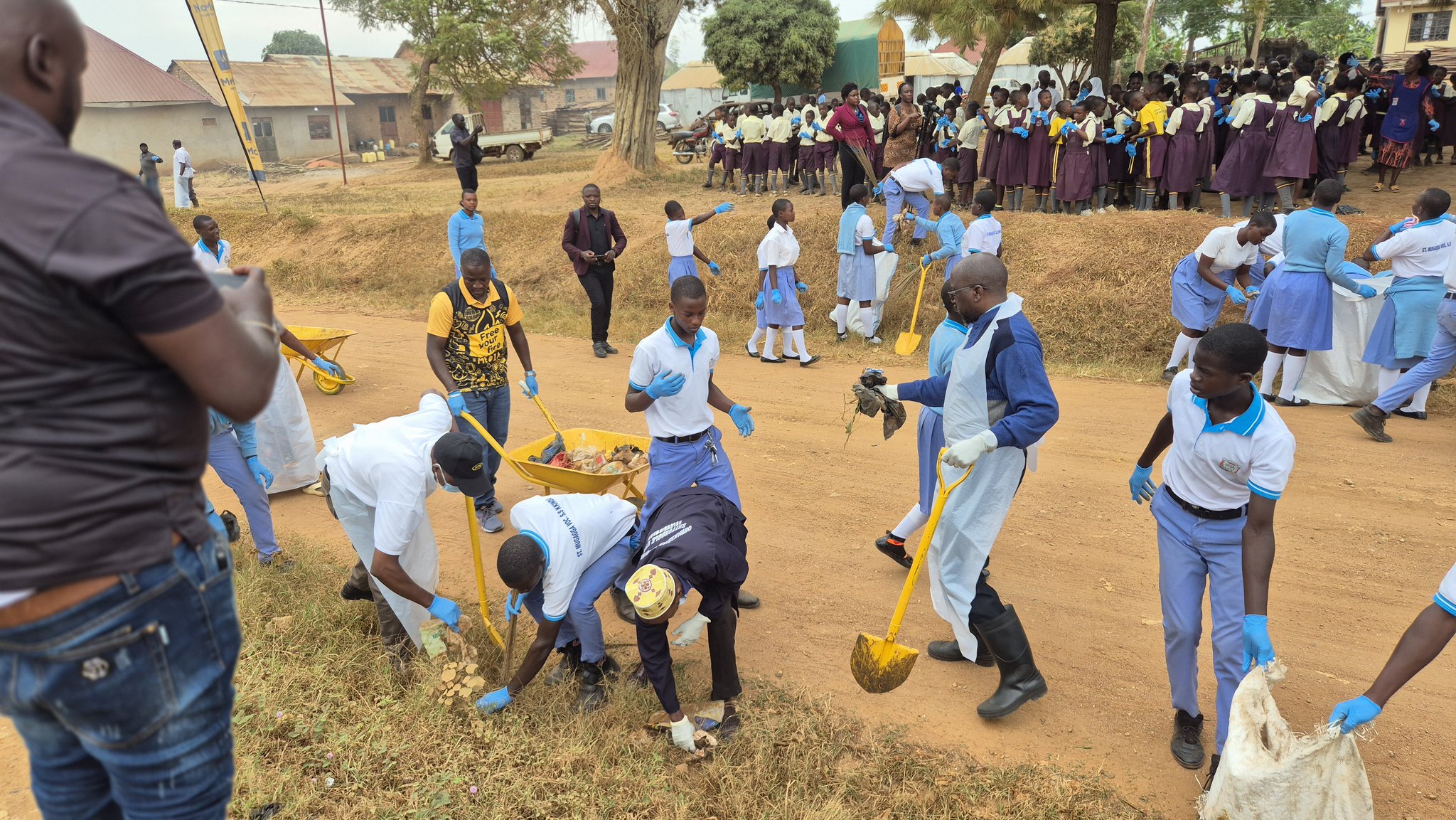
Government says the campaign builds on Uganda’s long-standing culture of communal work, including traditions such as Bulungi Bwansi, while encouraging every citizen to take responsibility for keeping homes and public spaces clean. Authorities argue that better sanitation will help reduce waste-related diseases, improve environmental health, and strengthen civic responsibility.
Implementation guidelines require ministries, districts, cities, municipalities, schools, businesses, religious institutions, cultural leaders, civil society organisations, and ordinary citizens to participate. Local governments have also been tasked with identifying sanitation hotspots, coordinating waste collection where possible, and submitting regular implementation reports.
The programme, however, has generated public debate. While many Ugandans have welcomed the return of organised community clean-up exercises, some critics—including lawyer Kakwenza Rukirabashaija—have questioned aspects of the initiative, arguing that mandatory participation could raise constitutional concerns over compelled labour and the use of taxpayers’ time for sanitation activities. Those concerns have added a legal and political dimension to what government describes as a public health intervention.
Government officials maintain that the success of the initiative will depend on sustained public participation and coordinated leadership at both national and local levels. With sanitation-related diseases remaining a major public health challenge, authorities hope the monthly exercise will foster long-term behavioural change and create cleaner, healthier communities across Uganda.