
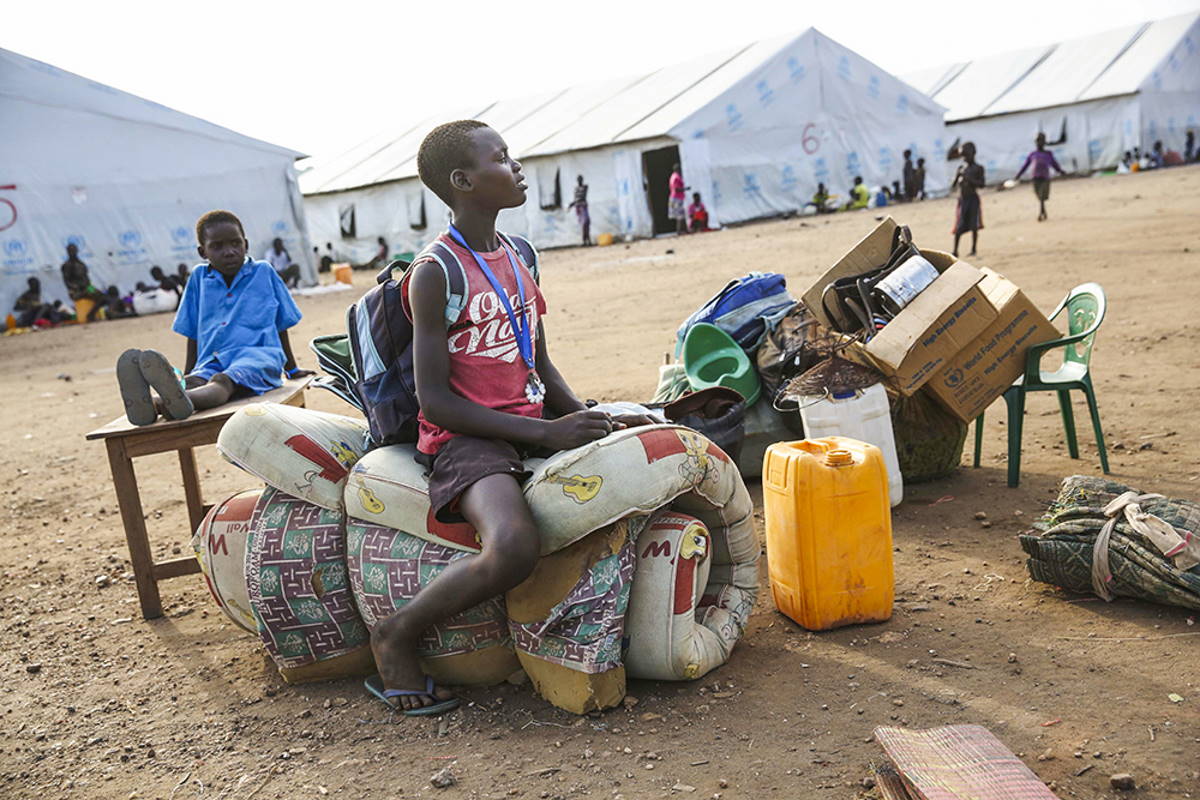
Uganda's reputation as Africa's leading refuge for people fleeing conflict is being tested like never before as shrinking international aid pushes the country's humanitarian response into one of its most difficult periods in years.
Home to more than two million refugees, most of them escaping violence in South Sudan, the Democratic Republic of the Congo and Sudan —Uganda is now grappling with severe funding shortages that are affecting food distribution, healthcare, nutrition programmes and other essential services.
Humanitarian organisations say the funding gap has become so severe that many refugee families are receiving reduced food assistance while clinics are struggling with shortages of medicines, medical staff and equipment.
According to recent humanitarian reports, the UN refugee agency has so far received only a fraction of the funding required to sustain operations in Uganda this year. The World Food Programme has also scaled back assistance, leaving hundreds of thousands of refugees without the level of support they previously depended on.
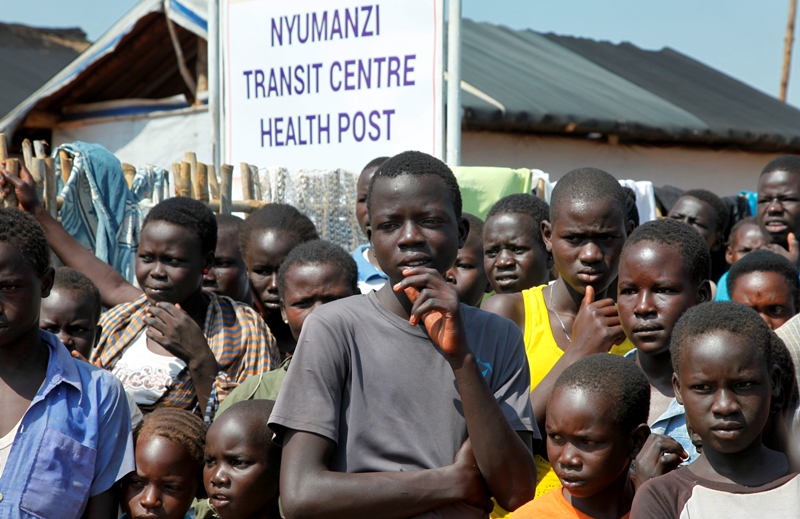
The effects are already being felt inside some of Uganda's largest refugee settlements, where health centres are reporting growing pressure from increasing patient numbers, reduced staffing and limited drug supplies. Services for pregnant mothers, newborn babies, mental health patients and children suffering from malnutrition have been particularly affected.
Officials have repeatedly warned that the country's celebrated open-door refugee policy can only be sustained if international partners continue to provide financial support. Uganda remains one of the few countries that allows refugees to work, move freely and access land for farming, a model that has earned international recognition for years.
However, with humanitarian budgets shrinking worldwide and new crises competing for donor funding, aid agencies fear the situation could worsen if additional resources are not secured soon.
Despite the challenges, Uganda continues to receive new arrivals every week from neighbouring countries affected by conflict, placing even greater strain on already overstretched services. Humanitarian organisations say urgent financial support will be critical to prevent further cuts to lifesaving assistance and to protect both refugee populations and the Ugandan communities that host them.