
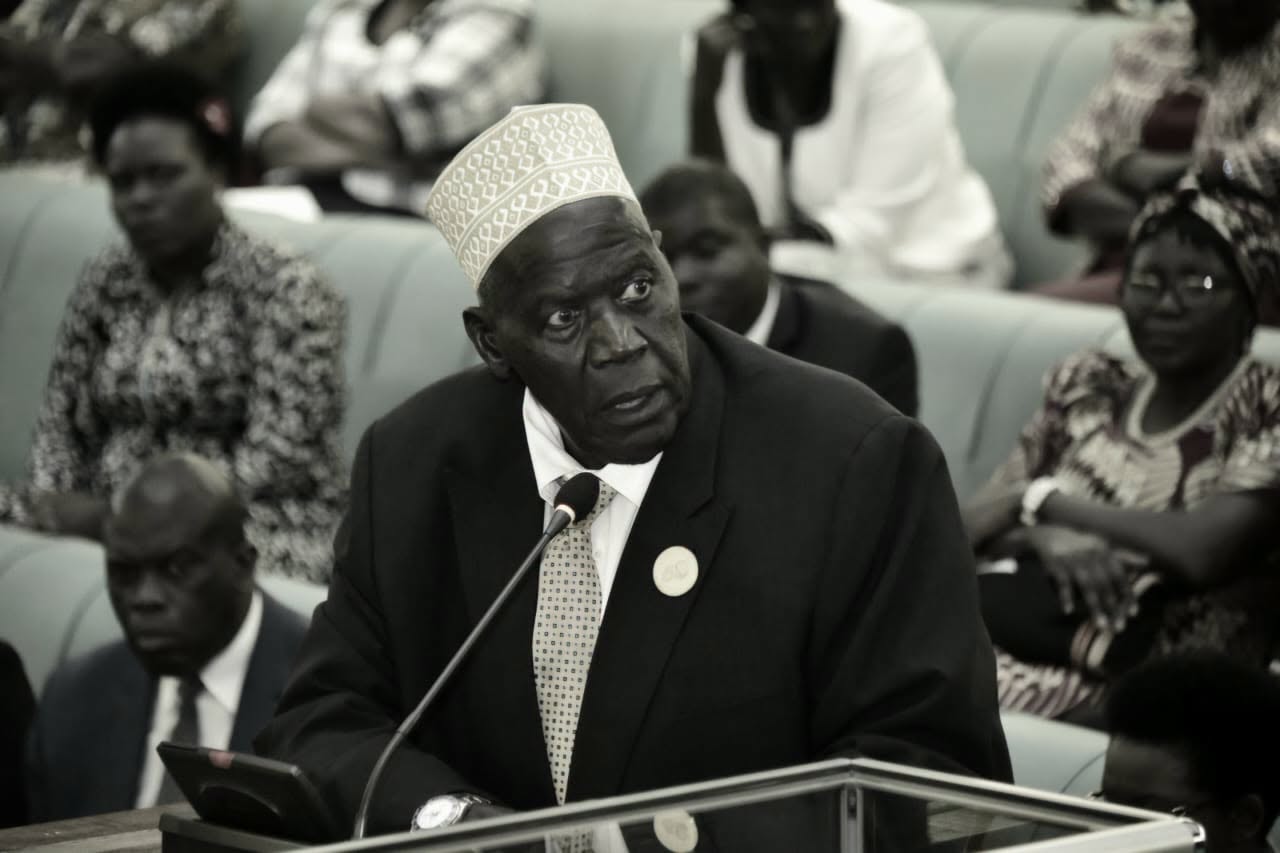
Uganda has lost one of its most enduring political figures following the death of Gen. (Rtd) Moses Ali at the age of 87, bringing to a close a remarkable career that stretched across more than half a century of public service.
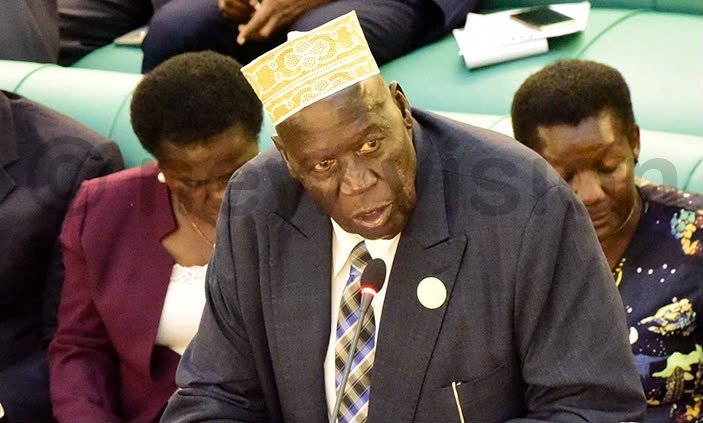
The veteran politician and retired military officer served in some of the country's highest offices, including Second Deputy Prime Minister, First Deputy Prime Minister, Cabinet Minister and Member of Parliament for Adjumani West. Throughout his long career, he remained one of the most influential leaders from the West Nile sub-region and a central figure in Uganda's national politics.
Born on 5 April 1939, Moses Ali first rose to prominence during the administration of former President Idi Amin, where he held senior ministerial positions. Following years of political and military upheaval, he later reconciled with President Yoweri Museveni's government and became one of the National Resistance Movement's most experienced leaders.
Over the decades, he was entrusted with several key government portfolios, including Internal Affairs, Tourism, Disaster Preparedness, Youth, Culture and Sports, before serving in successive deputy prime minister roles. His longevity in public office made him one of the longest-serving ministers in Uganda's history.
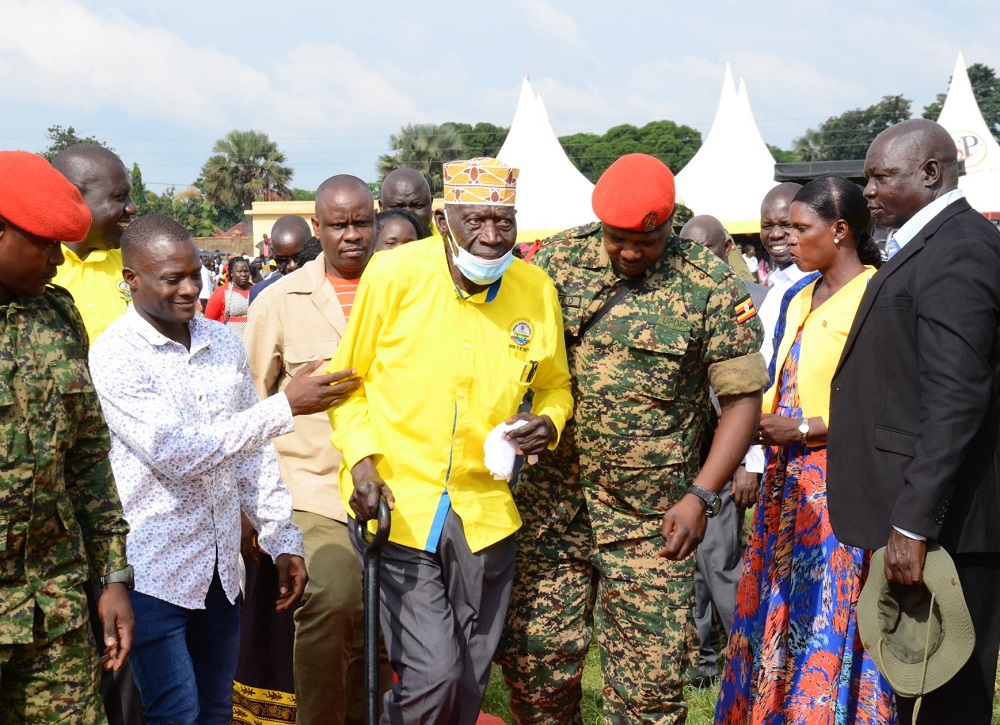
Known by many as the "Lion of Adjumani," Gen. Moses Ali was widely credited with championing government development programmes in West Nile and beyond. He played a visible role in mobilising support for initiatives such as the Parish Development Model, Operation Wealth Creation, Emyooga and other socio-economic programmes during his final years in Cabinet.
His passing comes only weeks after he concluded his final stint in Cabinet following the formation of Uganda's new government, ending a ministerial career that had defined generations of public leadership.
Tributes are expected from President Yoweri Museveni, government officials, political leaders across the country and residents of West Nile, where Gen. Moses Ali commanded enormous respect for decades of service.
As Uganda reflects on his life, supporters and critics alike are remembering a statesman whose career mirrored many of the country's defining political chapters—from military service and national reconciliation to decades of parliamentary and Cabinet leadership.
His death marks the end of an era for one of Uganda's most recognizable political veterans, leaving behind a legacy that will remain part of the nation's political history for generations to come.