
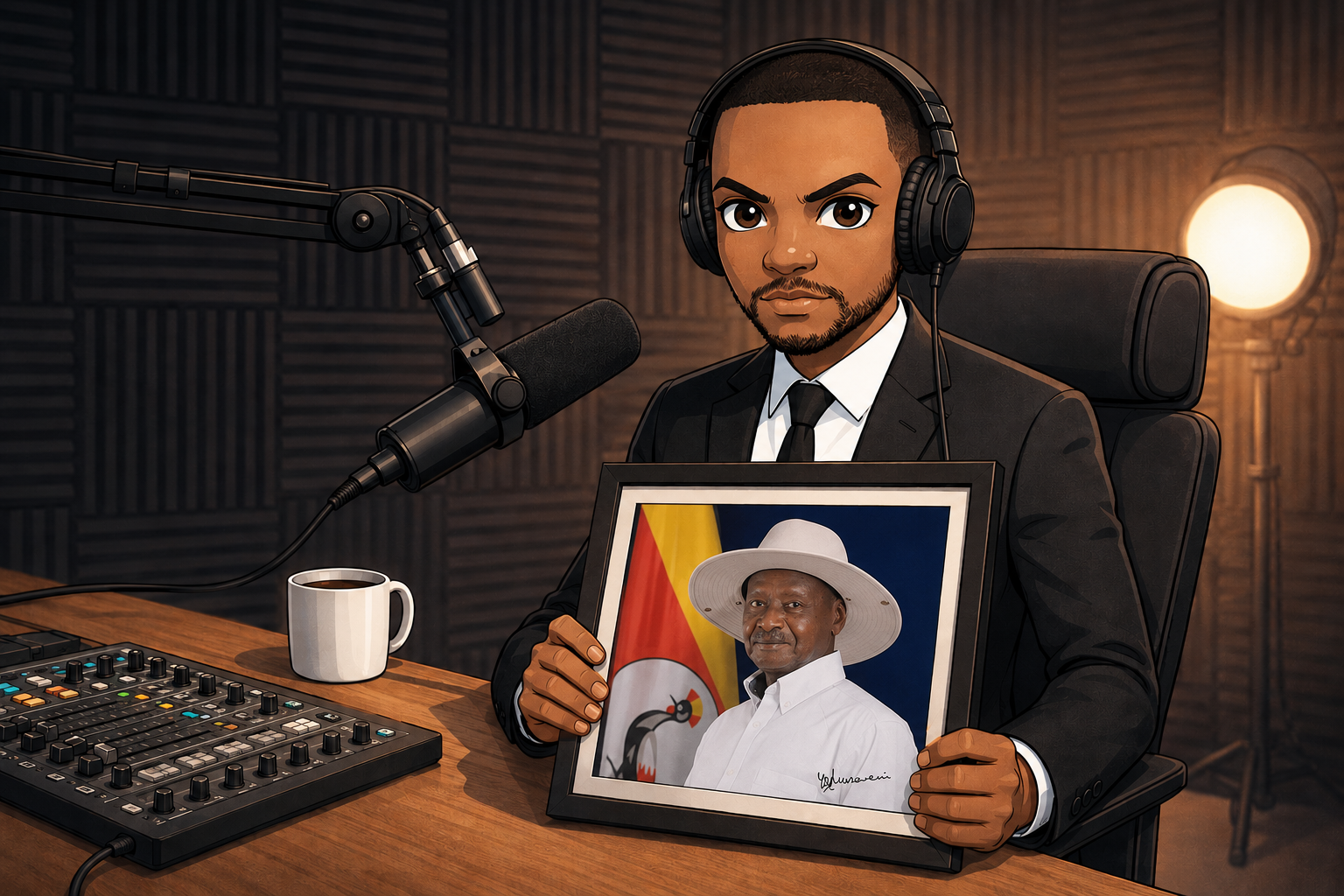
For years, President Yoweri Museveni has warned that foreign actors are financing political activities inside Uganda. Many dismiss these claims as routine political rhetoric from a leader who has been in power for decades.
But what if the conversation deserves more serious attention?
This is not an argument for supporting the ruling National Resistance Movement or opposing the opposition. It is an argument for asking questions about power, influence, and Uganda’s future.
Modern politics is shaped not only by military power but also by information, media influence, civil society networks, political training programs, digital activism, and strategic funding. Across Africa, international actors are increasingly involved in governance and political processes, often through organizations that operate beyond public attention.
Uganda is not unique in this regard. In countries such as Zambia, Zimbabwe, and Sudan, debates have emerged over the role of foreign donors and international organizations in governance, civil society, and democratic-transition programs. These examples illustrate how external financing can become intertwined with domestic politics.
Many Ugandans view such funding as harmless support for democracy. Yet it is reasonable to ask why foreign governments and organizations invest significant resources abroad.
Uganda’s strategic location, regional security role, and growing oil sector make it an important player in East Africa. As a result, international interest in Uganda extends beyond elections to broader concerns such as trade, security, and regional influence.
For that reason, the debate over foreign political funding should not be reduced to a partisan dispute. The key question is whether Ugandans fully understand the interests behind the money.
History shows that influence often arrives through initiatives framed as development, governance, democracy promotion, or civic engagement. Many of these programs may be beneficial, but it is still worth examining their broader implications.
At the same time, it is important to distinguish between documented facts and speculation. Public records show that international donors, including USAID, the European Union, and various foundations, have funded governance, election observation, media development, and civil society programs in Uganda and across Africa. Such funding is generally disclosed and defended as support for democratic institutions. Claims that these programs are intended to influence election outcomes or support specific political actors require evidence and should be assessed case by case.
A mature democracy should be willing to examine all sources of political influence, whether domestic or foreign.
Ugandan journalists have a critical role to play. Their responsibility is neither to defend the government nor to advance political causes, but to investigate. If allegations of foreign funding exist, they should follow the evidence. If the claims are false, they should expose them. If they are true, they should document them.
Questions about foreign funding have periodically surfaced in Uganda, particularly in disputes involving non-governmental organizations accused by authorities of engaging in political activity beyond their stated mandates. Many of the organizations denied wrongdoing, and the evidence has often been contested. These cases highlight the need for rigorous reporting and transparency.
Too often, however, public debate focuses heavily on government failures while giving less attention to examining external sources of influence. A balanced media should be willing to scrutinize all centers of power. Transparency should not be selective.
The public deserves facts, not slogans.
Political narratives can shape decisions made by international institutions, donor agencies, and foreign governments, with consequences for ordinary Ugandans. That is why claims about foreign influence should neither be accepted blindly nor dismissed outright.
This is why the issue Museveni has repeatedly raised should not be ignored simply because of who is raising it.
Ugandans do not need to agree with him on every issue, support the government, or oppose the opposition. But they should ask one fundamental question:
In a world where global powers compete for influence across Africa, is Uganda shaping its own political destiny—or are others helping shape it on its behalf?
The answer may determine far more than the outcome of the next election.